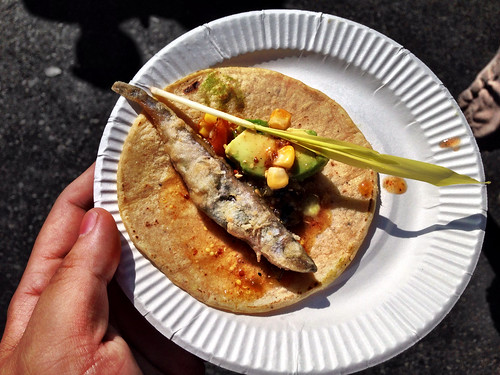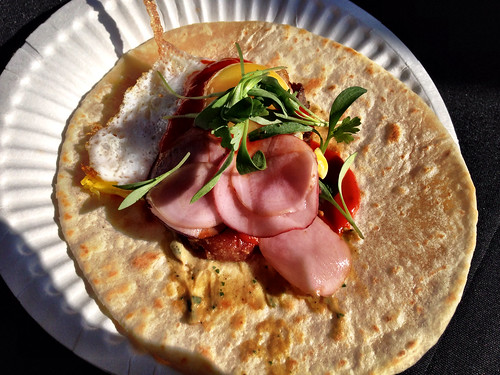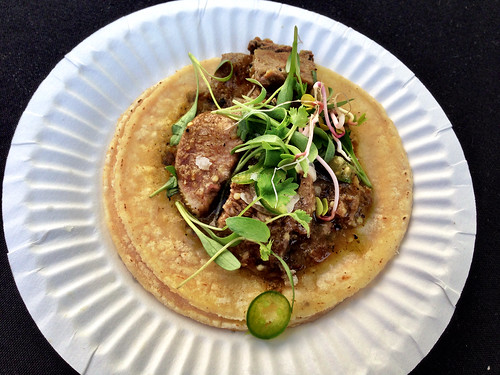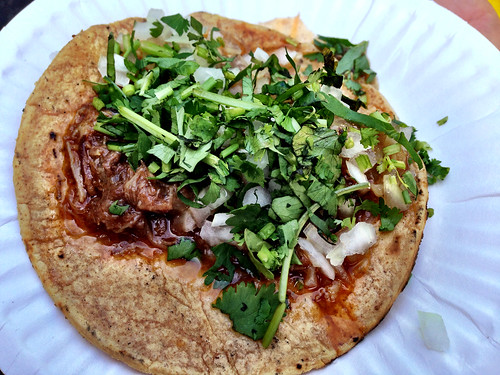
Shunji Japanese Cuisine
12244 W Pico Blvd
Los Angeles, CA 90064
(310) 826-4737
http://www.shunji-ns.com/

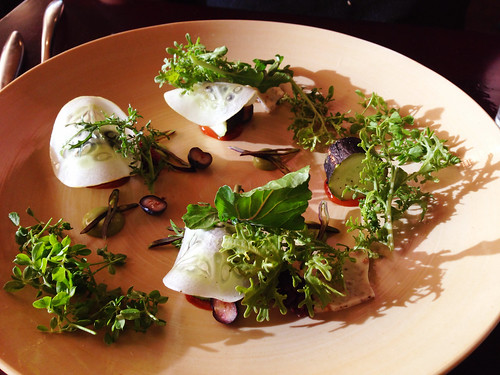
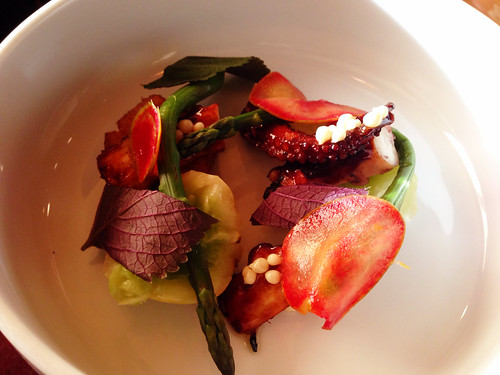
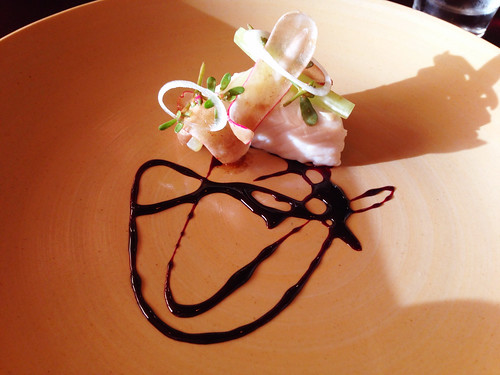
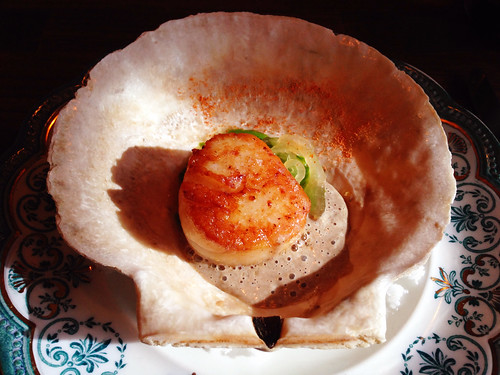
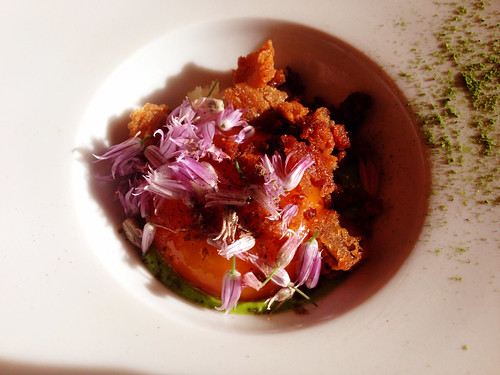
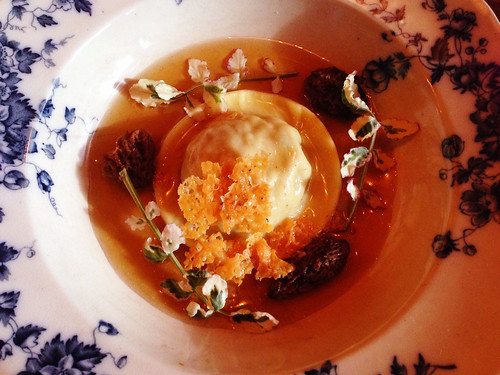
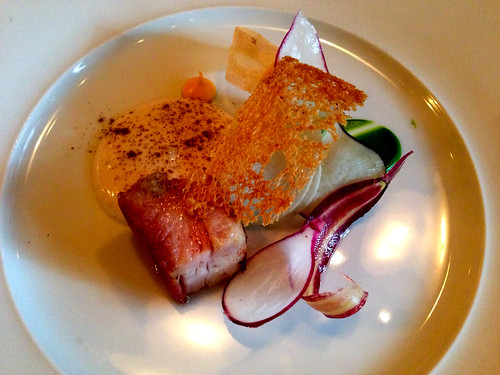
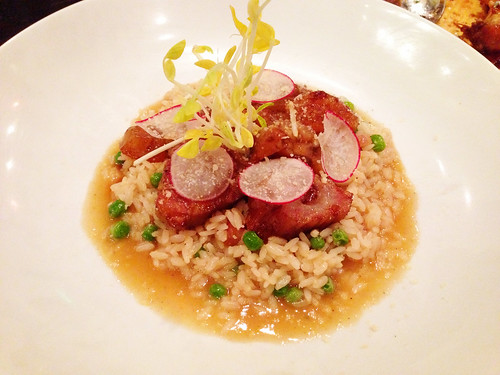
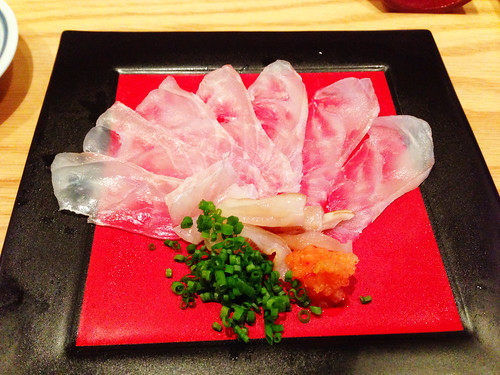
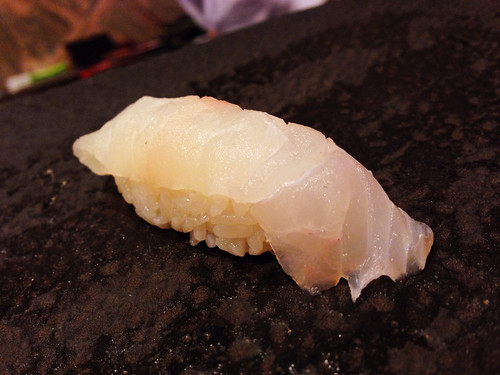
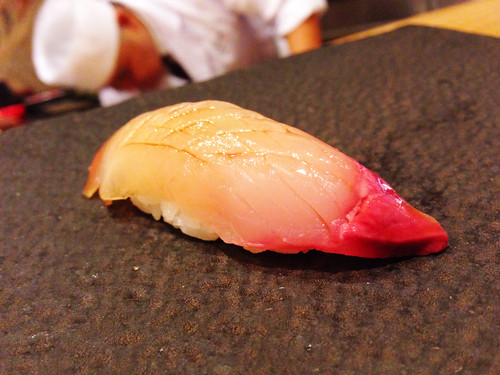
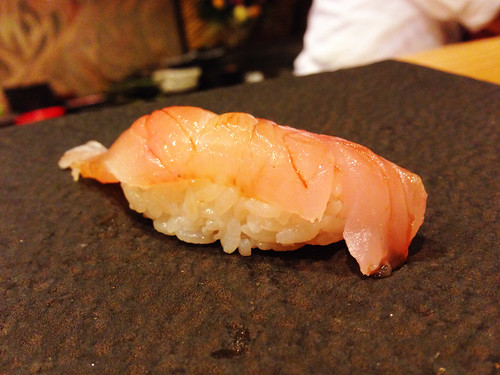
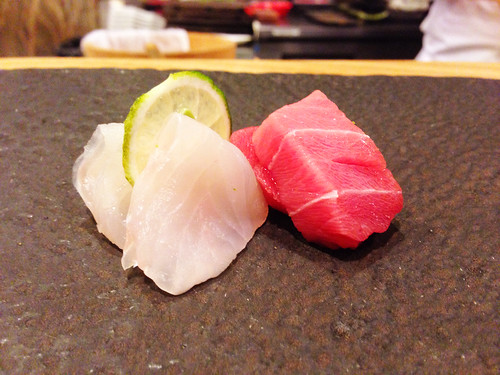
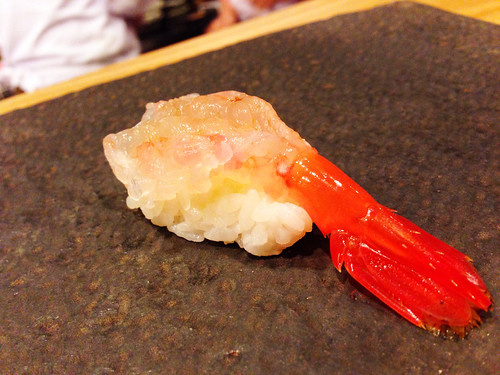
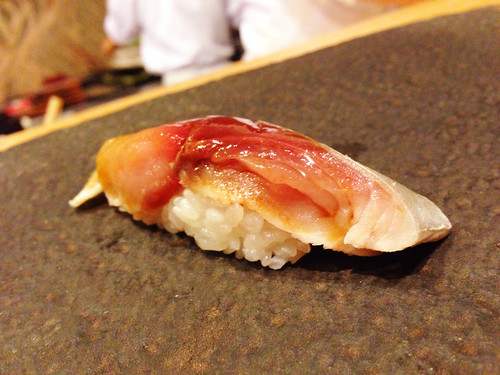
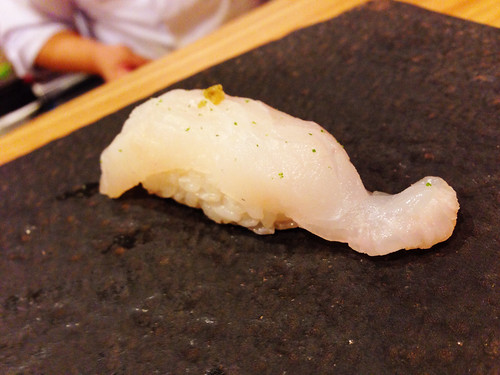
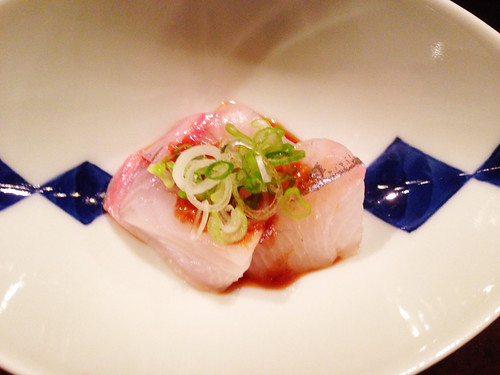
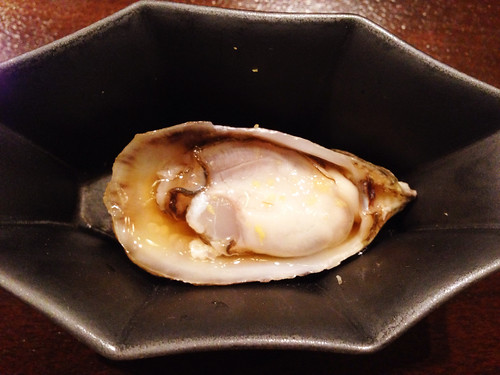
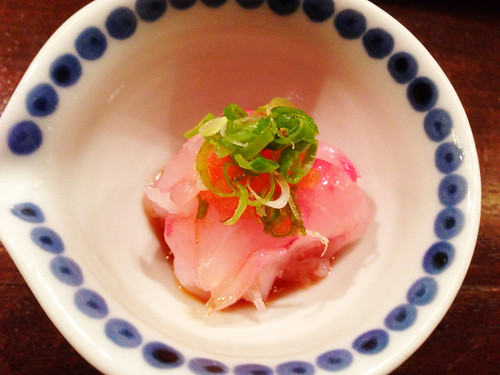
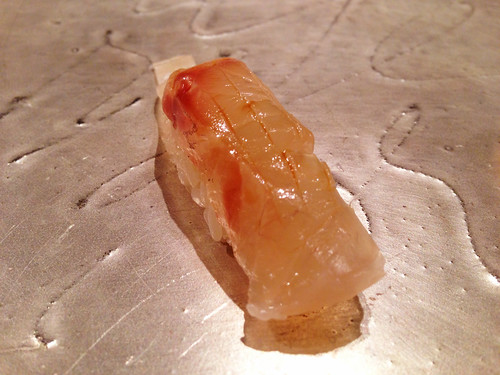
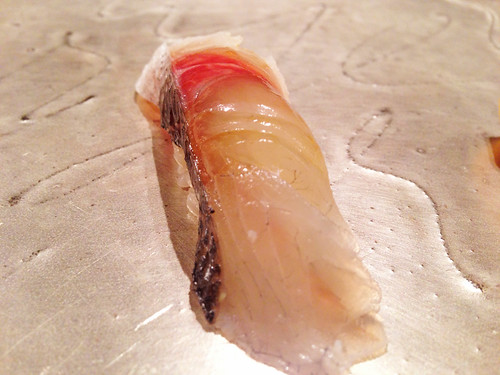
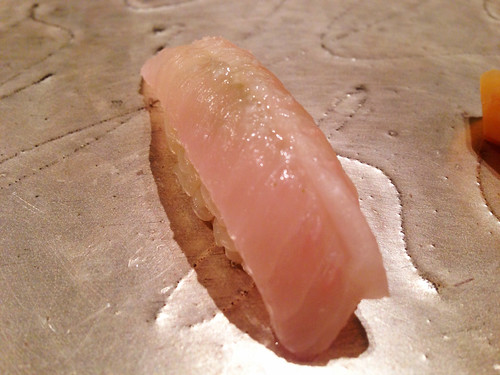
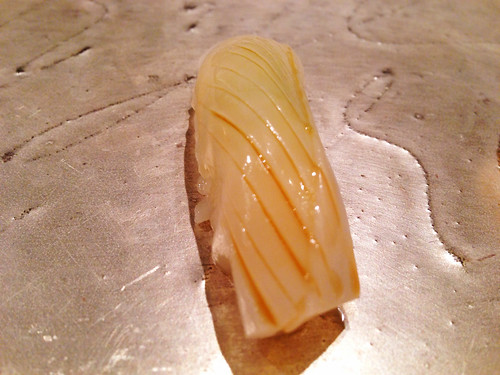
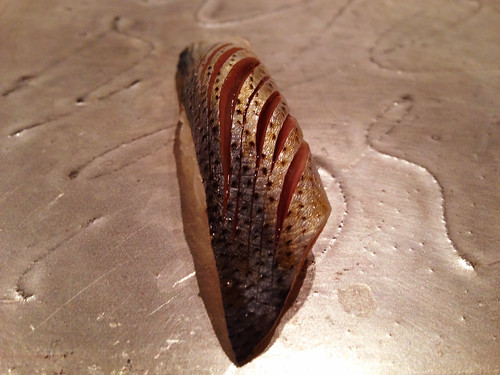
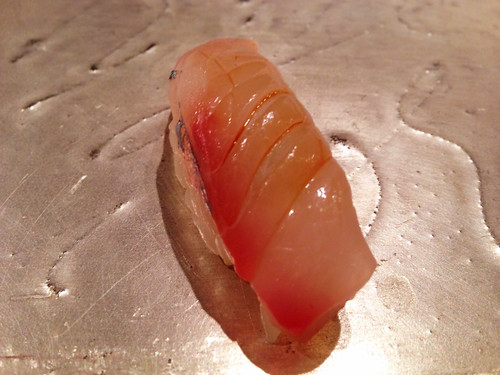
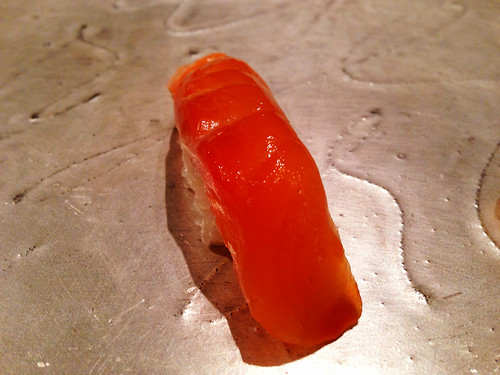
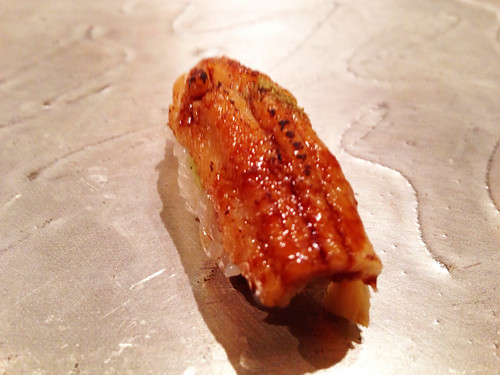
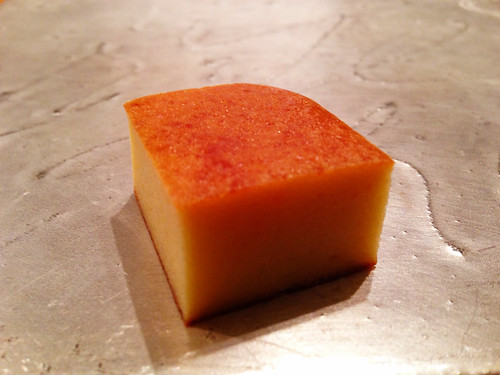
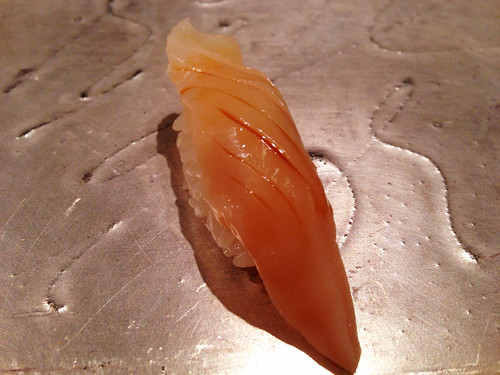
Houbou Kobujime (Kelp-Marinated Sea Robin), Houbou (Sea Robin), Chikame Kintoki (Alfonsino)

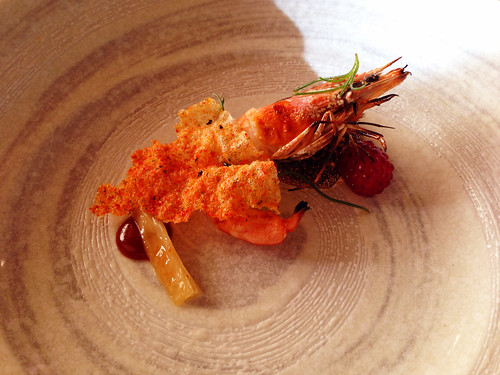
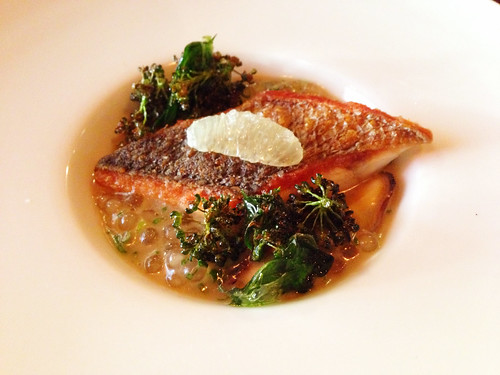
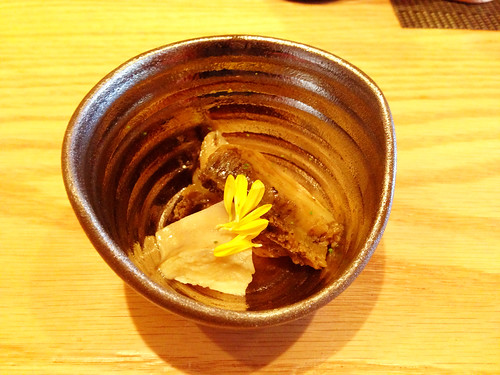
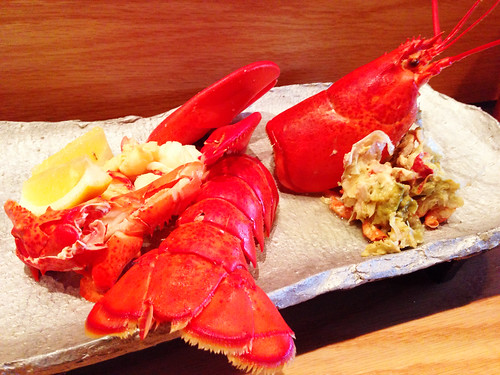
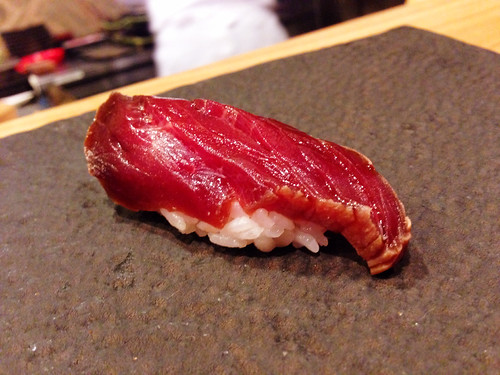
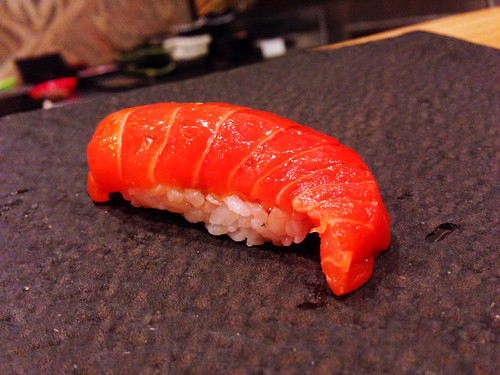
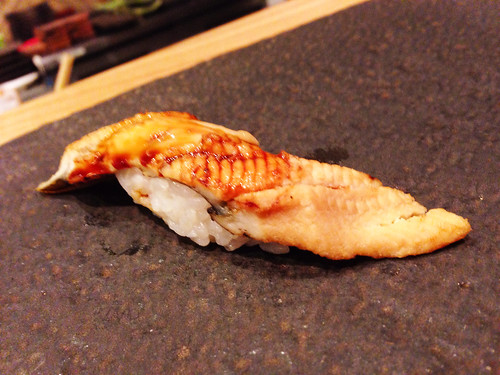
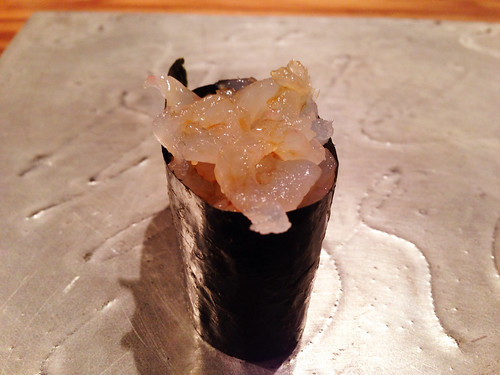
Kegani w/ Kanimiso, Kawagishi Toro, Kanpachi

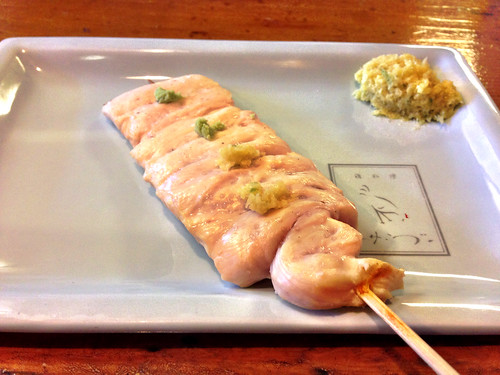
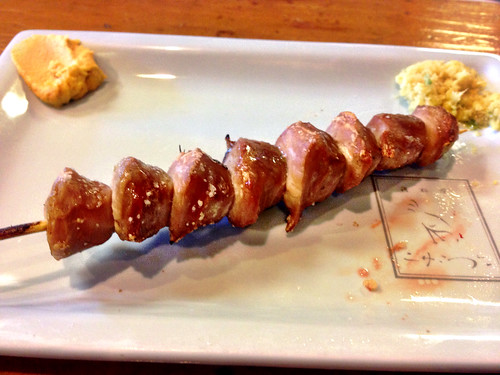
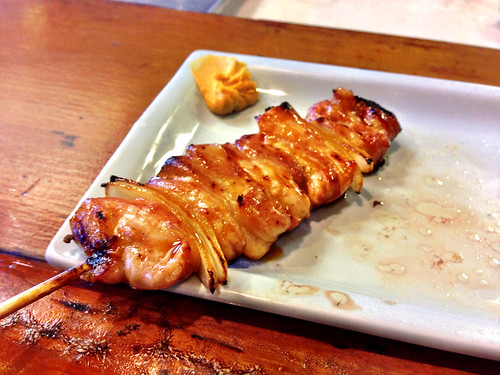
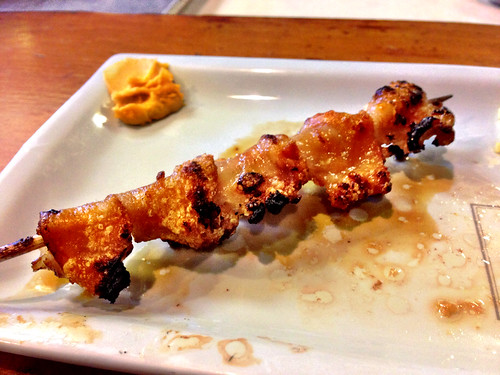
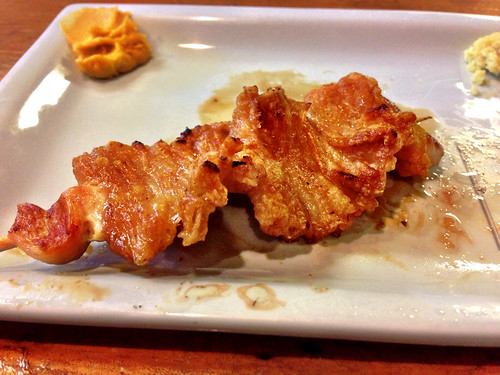
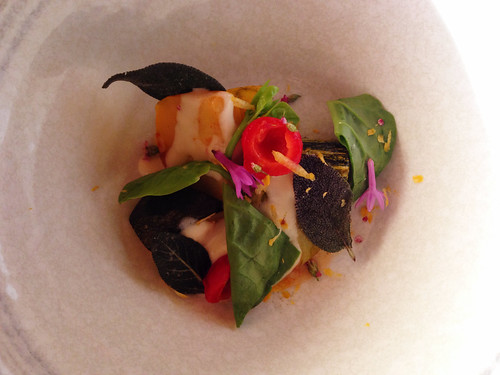
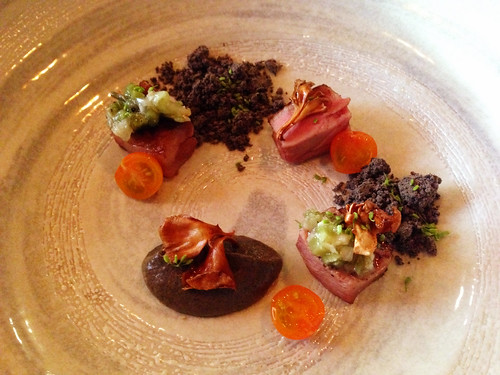
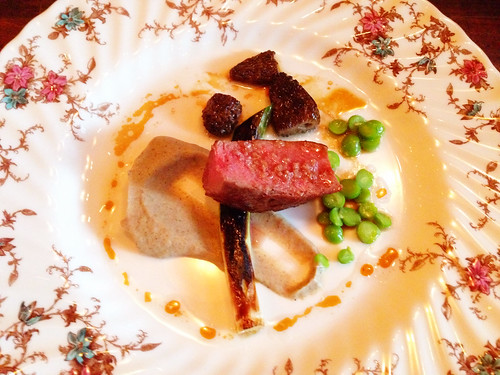
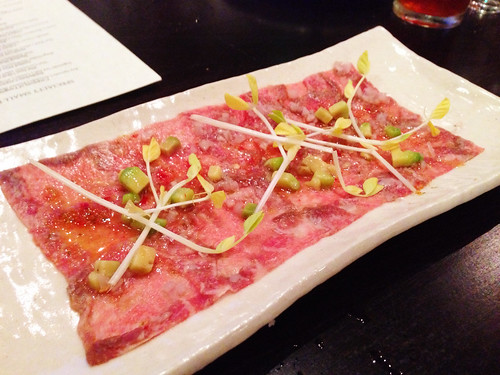
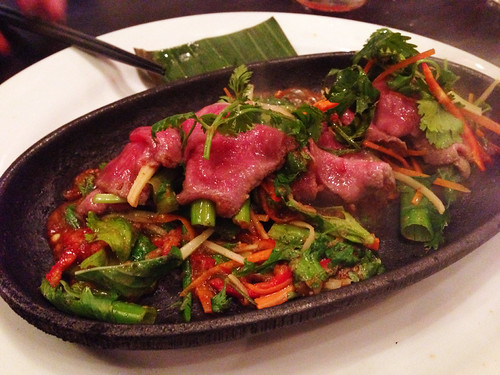
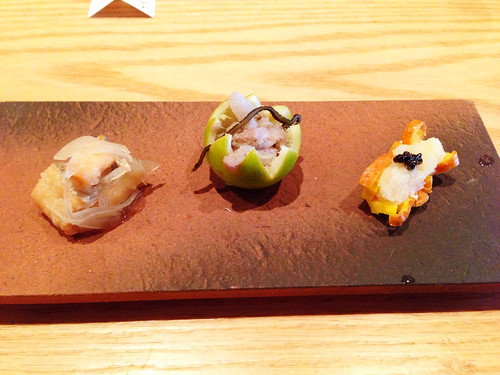
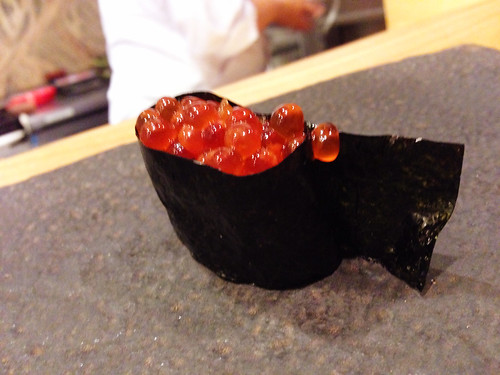
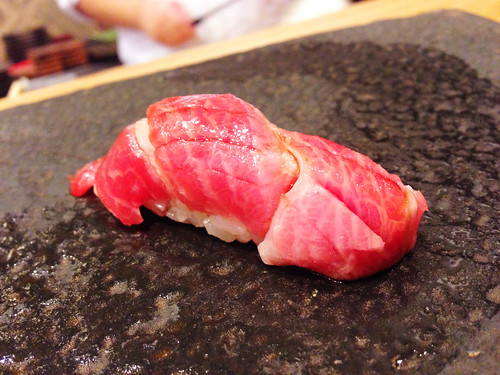
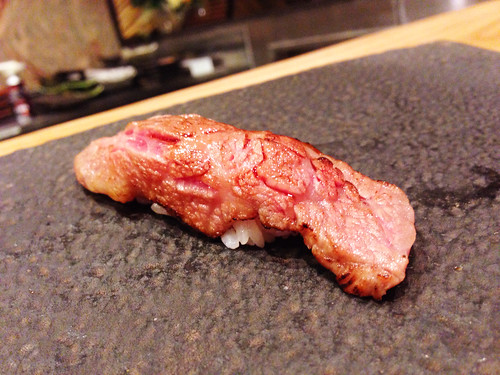
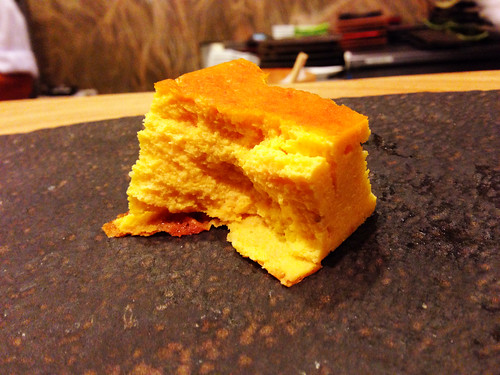
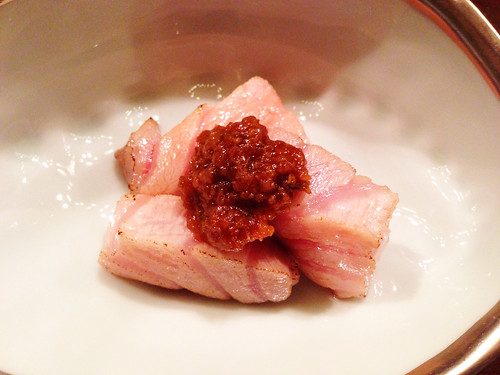
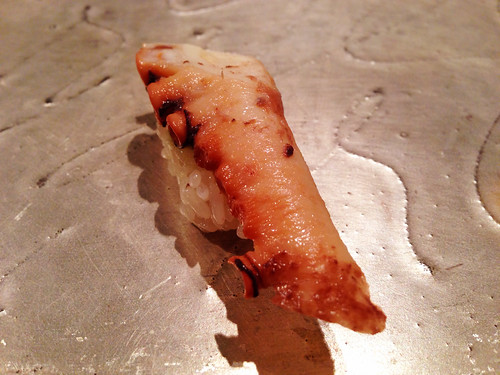
Grilled Toro, Grilled Miyazaki Wagyu

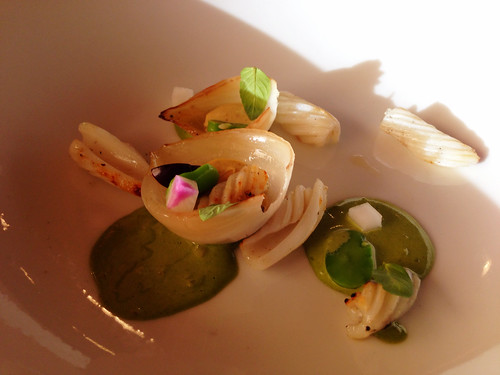
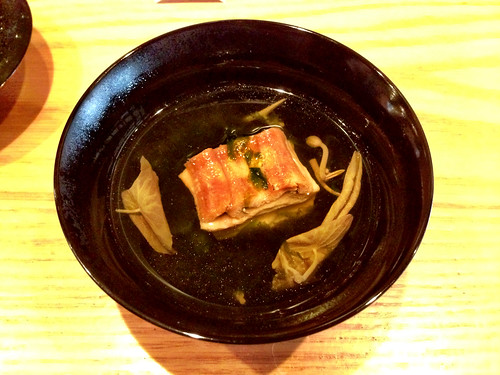
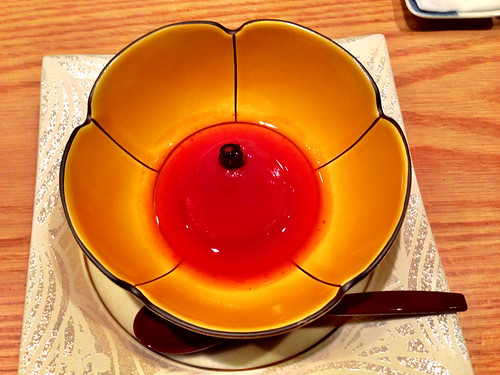
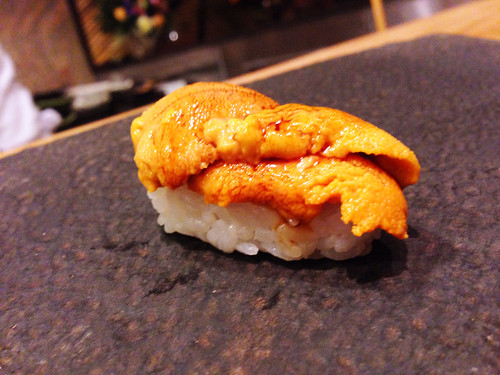
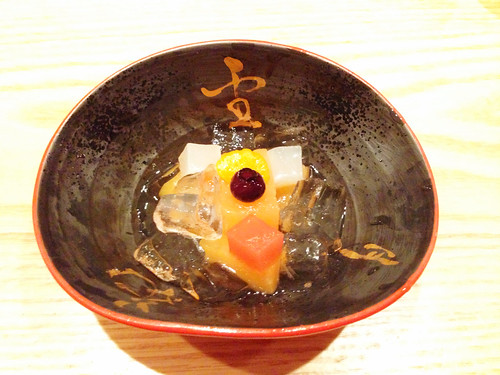
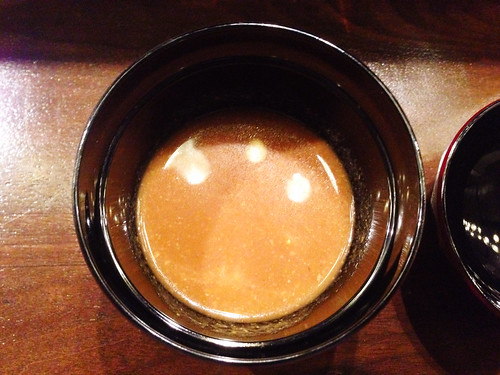
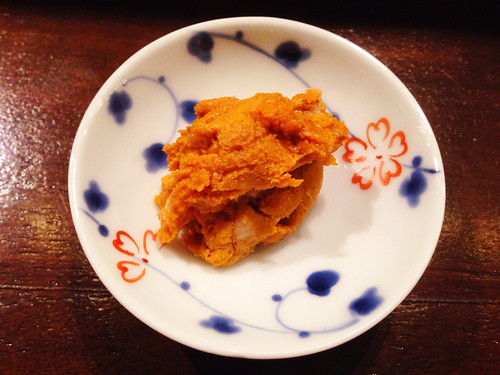
Hiyashi Chawanmushi w/ Uni & Truffle

Kuro Kabuto Junmai Daiginjo Sake

Mizuho Kuromatsu Kenbishi Sake
| Cuisine | City/Neighborhood | Price | Grade |
| Japanese, Sushi | West Los Angeles | $$$$ | A |
Son of a Gun
8370 W 3rd St
Los Angeles, CA 90048
(323) 782-9033
http://sonofagunrestaurant.com/
Previous visit: July 2011
I can’t believe it had been almost 2 years since my first and only visit to Son of a Gun, before my return this past weekend. From what I remember (or more like what came to me when I read about my previous post of the restaurant), I liked the place plenty, but it wasn’t without flaws, and was still solidly in big bro Animal’s shadows. However, I’ve been hearing and reading nothing but praises for the seafood-centric restaurant since, and when buddy Paul came into town to visit, it seemed like an appropriate time to return (since he was there during the last meal, and had initially wanted to return to Animal).
Comparing this dinner with what I remember about the last one (aided by the previous post of course), and I can say that Son of a Gun has gotten better. Like with Animal, portions are small and prices are (relatively) high, but there’s plenty of positives here, especially with regards to creativity with seafood (i.e. not just raw bar assortments), and more importantly, the dinner as a delicious meal. Also, the bar program is pretty damn good there. I don’t remember it from the last dinner (or whether it even existed back then), but we tried a handful of cocktails and drinks across the menu, and they didn’t disappoint (and they were strong too). Below are photos of what we ordered, with some notes:

Today’s Oysters on the Half Shell, Condiments ($3/each)
Didn’t hear what the varieties were, but they were certainly fresh, however straightforward with the standard accompaniments. A great way to kick off the night of seafood though.

Gloucester Scallop, Yuzu Kosho, Pickled Shiitake ($16)
Here was a single jumbo scallop from Gloucester, MA served sashimi-style, right down to the yuzukosho. The pickling of the shiitake mushroom wasn’t strong, but added an interesting, earthy flavor component to the dish. Nicely done.

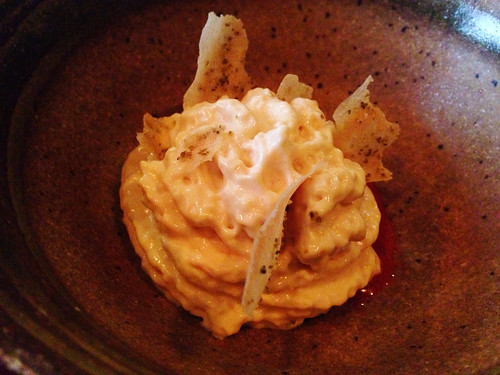
Smoked Steelhead Roe, Maple Cream, Pumpernickel ($16)
I believe this has been on the menu since opening day, but I didn’t get to try it last time. Separately, it’s just steelhead roe (basically ikura), whipped maple-flavored cream cheese, and pumpernickel crisps. But get everything together in one bite, and the dish becomes a wonderful play on lox on bagel with cream cheese.

Uni, Burrata, Button Mushroom, Yuzu ($19)
I’ve read plenty about this dish, and it didn’t disappoint. Uni + burrata is an interesting combination, seeing how it’s creamy-on-creamy, but it worked. However, it could’ve used more uni (greedy me) to get a better uni:burrata ratio.

Lobster Roll, Celery, Lemon Aioli ($8)
The people’s favorite from day one. Still the people’s champ.

Curly Kale, Caesar Dressing, Walnut, Parmesan ($11)
We felt the need to order a vegetable dish to counter all the protein, so we found it in the form of this kale Caesar salad. Straightforward, but well-executed.

Fried Chicken Sandwich, Spicy B&B Pickle Slaw, Rooster Aioli ($14)
The people’s co-favorite. One that I actually wasn’t as crazy about as everyone else in town. However, I found a much better sandwich this time around. Still the same-looking gigantic sandwich, but the chicken this time was juicy and flavorful. And of course, the slaw was great once again. Southern hospitality at its finest.

Linguine and Clam, Uni Aglio-Olio, Chili, Breadcrumbs ($19)
A lot of people like this dish, and what’s not to love, with it being an spicy, uni-infused version of the classic linguine and clams. But this dish was a little heavy-handed with the cream (I can’t believe I’m writing this), and a bit too oily. Too much of a good thing, really. Tone it down a bit, and the dish would be amazing.

Shrimp Toast Sandwich, Herbs, Sriracha Mayo ($12)
I had more than just a bite this time around, and it’s…good. But I think it was one of the weaker dishes of the night.

Soft Shell Crab Tempura, Crispy Pork, Ginger-Soy ($22)
This sounded great (especially given my love for soft shell crab), and came highly recommended by our server. Besides being a little too heavy with the batter, I thought this was indeed great. A nice variation of the traditional tempura-fried soft shell crab with ponzu you’d find at Japanese restaurants, with the crispy pork adding some extra fattiness.

Frozen Lime Yogurt, Graham Crumble, Toasted Meringue ($6)
Had this last time, a solid deconstruct key lime pie of sorts.

Italian Hamburger: Gianduja, Brioche, Caramel, Maldon ($7)
An interesting dessert here, basically an ice cream sandwich with a sweet brioche bun and gianduja (basically Nutella) ice cream. The caramel and maldon salt gave it an salted caramel flavor.
Might seem standard, but the sorbet and ice cream were actually the dessert standouts, pleasant surprises. It was rich (but not overly so) for a sorbet, and I believe there was a toasted flavor to the coconut.

Today’s Ice Cream: Dreamsicle ($6)
Why don’t more people make creamsicle/dreamsicle-flavored things? They were one of my favorite frozen treats from my childhood, and it was really cool to see it in ice cream form here. This captured the orange + ice milk flavors perfectly.
To sum it up, an inspired and improved Son of a Gun has now stepped out of Animal’s shadow (in my eyes – I’m sure most people saw things differently), and is now standing toe-to-toe with big brother. It’s probably the best seafood restaurant in LA after Providence, but do know that the dishes do add up once you get too excited (and you will). It won’t be two more years until the next visit, that’s for sure.
| Cuisine | City/Neighborhood | Price | Grade |
| American, Seafood | Mid-City West | $$$ | A- |

Photo credit: Gorge
Gorge
8917 W Sunset Blvd
West Hollywood, CA 90069
(310) 657-6328
http://gorgela.com/
Unless you’re a mom and pop ethnic hole-in-the-wall located on the outskirts of LA County, it’s damn near impossible for a restaurant to slip under the radar, in a city full of culinary Indiana Joneses looking to be the first to unearth the next dining treasure. But that’s what Gorge has managed to accomplish, despite having a trio with impeccable resumes running things front and back, and being located in West Hollywood. LA Times has barely grazed it, LA Weekly has avoided it like a plague, and you’d be hard-pressed to find reports of it on most food blogs. Recently, someone was asking for info about Gorge on Chowhound (surely due to the lack of information I noted above), and I realized that I did the restaurant no favors by neglecting my very own post, especially when I enjoyed my visits there.
Upon first glance, Gorge appears to be your run-of-the-mill French bistro/brasserie. Old-fashioned French decor here, old-school French dishes there. Take a closer look at the menu, however, and you’d be surprised to find an extremely focused menu – one that does no favors for the ladies looking out for their figures in this part of town by specializing in cured and cased meats. It’s actually very old-school, right down to the all-natural preparations of said cured and cased meats. They mentioned how they wanted to “bring the classics back” into the spotlight. And yet, the concept of Gorge is actually very new, for LA hasn’t seen a French restaurant like this before.
On my first visit, I tried the mackerel tartine and the saucisson sec (charcuterie plate). The mackerel had a wonderfully fishy flavor, a welcome taste for one who likes briny foods, and the curing was strong, but not overpowering and salty. On the other hand, the curing for the cured meats was on the lighter side, presumably due to the all-natural process involved. It’s a labor-intensive and patient process, but the love is certainly evident- each slice of salumi glowed radiantly (probably because it’s fatty), and had a nice variety of salty, herb-y, and garlicky flavors across the board. But the MVP of the charcuterie team had to be the headcheese. Meaty, gelatinous, fatty, herb-y, it’s all there. And it still managed to not be heavy. Also, the pickled romanesco was an inspired choice to match.
On my second visit, I tried the chicken liver parfait and beer sausage. The chicken liver parfait was rather lean – imagine a refined version of the chicken liver pate your Jewish grandma would make. But getting it and the layer of fat that tops it together, and the lean pate transforms into a more creamy bite. The beer sausage was good and had a decent snap to it, and was elevated further by the accompanying fingerling potatoes and what I presume was the French equivalent of sauerkraut. Really a fine job by Chef Elia all-around (this is the same Elia as the one who appeared on Top Chef by the way – twice!)
As amazing as the savory items are, you’d be remiss to not order dessert at Gorge. There is only one type of dessert, the St. Honore (albeit in five varieties). According to Wikipedia, it is a “circle of puff pastry at its base with a ring of pâte à choux piped on the outer edge. After the base is baked small cream puffs are dipped in caramelized sugar and attached side by side on top of the circle of the pâte à choux. This base is traditionally filled with crème chiboust and finished with whipped cream using a special St. Honoré piping tip.” Long description, but puff pastry + creme + cream puff on top = awesomeness. The flavors rotate based on seasonality and Pastry Chef Uyen’s imagination, but the classic vanilla will always be there, and that’s where you should start. Sure, there’s only one dessert, but consider the St. Honore a combination of different French desserts in one Frankenstein package.
Another thing I have to mention is the amazing beverage program here, headed by sommelier Darius. I’m no expert on beer and wine, and Darius was more than helpful at describing the different types offered, and even has a beer AND wine pairing for EVERY dish on the menu- that’s dropping knowledge. He, along with Uyen (the two combine to work front of the house during dinner service), are very hospitable hosts…to few customers unfortunately. You can make a reservation, but it isn’t necessary at all. In fact, the most occupied I’ve seen the place during my visits is 6 people. I can certainly appreciate the me-time, but Gorge deserves better. For now, they seem content at serving return local diners, and ones who’ve heard and read rave acclaim from less mainstream sources (like myself). I just hope that they stick around long enough for word to spread further, because a quality restaurant in LA will not be forever neglected.

Mackerel Tartine ($18) – pictured is a half-order

Classic Vanilla St. Honore ($10)
2nd visit:

Beer Sausage ($20) - - pictured is a half-order

Caramel Apple St. Honore ($10)
| Cuisine | City/Neighborhood | Price | Grade |
| French | West Hollywood | $$$ | A- |
Yamakase
Los Angeles, CA 90034
http://www.yamakase.com/
By now, most food enthusiasts in town have heard of Totoraku, an invite-only yakiniku restaurant in West LA that takes pride in its exclusivity. Some say that an invite to the restaurant is as hard to obtain as one to Noma; one has to be invited by a friend of the chef or a previous diner who had “earned” the right of a return visit, and said nominator has to personally vouch for you. While an invite to Yamakase isn’t nearly as hard, the principles are similar. It’s technically an invite-only restaurant, but technically all you have to do is fill out a reservation request form on the restaurant’s website. They actually replied to my request within a hour, and I confirmed shortly after (although I’m not sure if my request for a month out made the process easier).
Yamakase operates out of a nondescript location in the Palms area (without signage, obviously). The man in charge here is Kiyoshiro Yamamoto, who used to work at The Hump before its closing. There is only one seating a night (although Yama-san said that there are sometimes two seatings on weekends), where diners can expect a kaiseki-esque meal of around 20 courses at approximately $200/person. The beverage situation here is BYOB, and pretty much every diner takes advantage of the policy. For our dinner, Lawrence and I decided to pick up a 6-pack of Asahi Black and a small bottle of sake from the Mitsuwa on the way (nothing fancy, but went well with our long dinner). The restaurant is just one long counter that seats up to 10 diners, and everything is prepped and prepared by Yama-san behind the counter (including the hot kitchen items – behind the counter is a full kitchen). We had 19 courses for our dinner a little over a week ago, and below is each course listed in order:
Cucumber Topped w/ Ikura, Osetra Caviar, & Hokkaido Uni
Nice start to the meal, to familiarize us w/ what’s to come. It’s nice seeing Hokkaido uni, since I’ve been having the Santa Barbara/San Diego varieties. Brings a different, delicious brininess to the table.
Hotaru Ika w/ Plum Sauce & Mountain Peach
Hotaru ika – it’s so hot right now. While most places serve it w/ a mustard miso of sorts, Yama-san served the firefly squid w/ a plum sauce that went well. The yamamomo is there as a “chaser.”
“Sunomono” of Tairagai, Jellyfish, Water Shield, Sea Beans, & Seaweed
A refreshing course w/ some ingredients unfamiliar to us. Kind of has a slime-on-slime effect here like a combination of yamaimo & okra, and a nice contrast in the firm, meaty texture of the pen shell.
Kyoto Tofu 2 Ways: (top) w/San Diego Uni & Soy; (bottom) w/ Marinated Tomato, Olive Oil, & Truffle Salt
2 wonderful one-biters here. The tofu from Kyoto is creamy and silky, like tofu “flower.” The subtle flavor of the tofu was enhanced by the creamy uni and sweet & tart tomato, respectively.
Steamed Ice Fish Wrapped in Cherry Blossom Leaf
This was an interesting dish. I’ve never had cherry blossom leaf before, and it had a grape leaf texture. Not much in terms of flavor, however, and the steamed ice fish itself was light too. In fact, the thing that stood out the most here is the “spicy” dried sprouts on top.
Kusshi & Quail Egg 2 Ways: (top) w/ King Crab & Sesame Cream; (bottom) w/ San Diego Uni, Yuzu, & Truffle Salt
Another duo of awesome one-biters, with Kusshi oysters being the central ingredient here. The sesame cream used in the top spoon is like a cross between the sesame paste familiar to us Chinese and a “dynamite” sauce – quite nice when contrasted with the yuzu/truffle salt flavors from the bottom spoon. Quail eggs were soft-boiled to almost a poached consistency.
Hirame w/ Yuzu & Himalayan Salt; Engawa w/ Ume Paste
Beautiful knifework w/ the halibut slices here, which went well w/ the yuzu zest and Himalayan salt shaving that Yama-san applied right before serving. To the right are 2 meaty slices of engawa (halibut fin) from the same fish, served with a ume paste.
Steamed Kegani
No assembly required – just hairy crab served as is (although de-assembly is certainly required to eat). These crabs are considered a delicacy (I’ve seen whole crabs served as is on the menu for $80-$100 at various restaurants), and the flavor is certainly worthy of reputation. Here, Lawrence and I split essentially half of one. We feasted like kings.
Bluefin Tuna from Spain
Just a “cube” of bluefin tuna (which was used in several dishes that night), served w/ housemade soy and fresh wasabi. Forbidden love in its simplest form.
Bluefin Toro Tartare w/ Blue Crab, Quail Egg, & Fresh Wasabi
Besides the kegani and wagyu, these one-bite spoons were the highlight of the dinner, each one fully-loaded with various components and flavors.
Chawanmushi w/ Hirame, Sumi Ika, Uni, Dungeness Crab, Sweet Shrimp, & Gingko Nut
This was probably the most complex chawanmushi I’ve ever seen/tasted. It was quite mild upon first bite, but then the multitude of briny flavors came into play, which became apparent when we found out the number of ingredients involved. When asked, Yama-san began listing each ingredient…slowly (he might have even forgotten one or two here).
Ankimo w/ Ponzu & Sesame Cream
A hot preparation of monkfish liver w/ the same sesame cream we had in an earlier course, but somewhat reduced by the accompanying ponzu. Wonderful ankimo, but I wanted it to be just a tad bit more “melty” (like I’ve had at Sushi Zo).
Toast w/ Frozen Toro, Blue Crab, & Truffle Cheese
Yama-san got playful here (said he had been experimenting w/ this dish). It was a piece of white toast, served with blue crab, truffle cheese, and a slice of frozen toro. The toro slowly began to melt w/ each bite of this creative play on a cross between grilled cheese and blue crab/toro hand roll. I still like my toro to be not frozen, but I certainly appreciated this dish.
A5 Kagoshima Wagyu w/ Shimeji Mushroom, Daikon, Yuzukosho, & White Pepper
The ban has been lifted! Enough of the American/Australian imitators, what we have here is legit “Kobe” beef, with the requisite heavy marbling. Yama-san grilled the beef, then sauteed it lightly with shimeji mushrooms and daikon. The yuzukosho helped cut down the fattiness (it actually didn’t taste very heavy, which was good when Lawrence and I basically split an entire steak), and the white pepper added a slight kick.
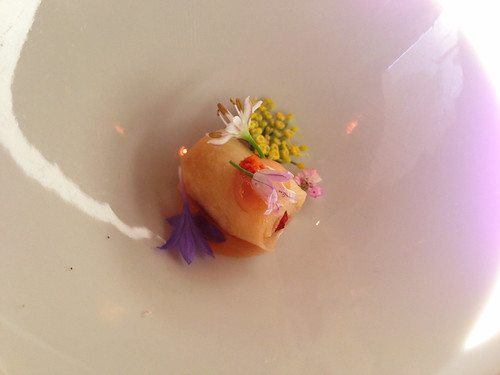
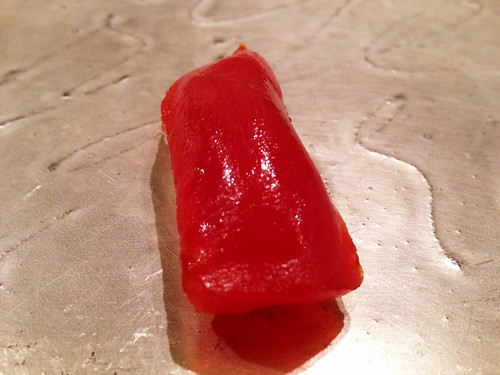
Maguro
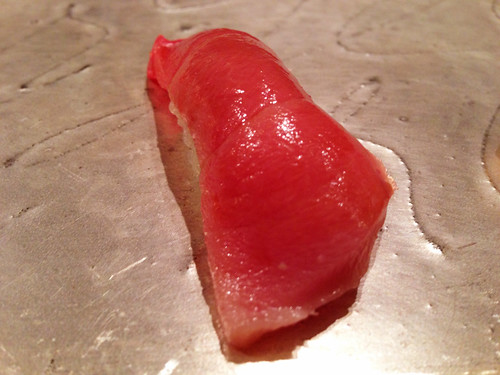
Chutoro
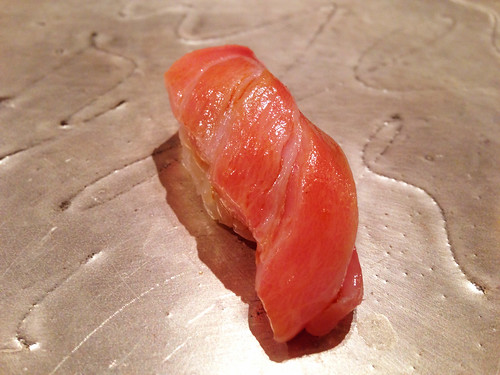
Chutoro #2
The bluefin tuna/toro nigiri were great, with some of the credit going to the wonderful tuna that Yama-san had been using throughout the night, and some going to the wonderful shari used. But if there’s one real “negative” to the meal, it’s that we didn’t see a wider variety of fishes used, especially w/ regards to nigiri. Next time, I hope to try a wider variety of sushi courses.
Toro “Don” w/ Blue Crab, Kani Miso, & Hokkaido Uni
To finish us off, Yama-san threw together this amazing bowl of some drool-worthy ingredients. A truly creamy, savory, and briny overload here, and a nice-sized bowl at that. Lawrence wanted another one of these (in hand roll form).
Mountain Peach Sorbet
The sole dessert offered was a light sorbet, which I believed was mountain peach. It was refreshing, and a nice follow-up to the fairly heavy course beforehand.

Koshino no Kanbai Muku Sake
The dinner ended up being $208/person before tax & tip. At first, we were thinking that it wasn’t cheap (and it obviously wasn’t), because it wasn’t as if we received an Urasawa-sized kaiseki of nearly 30 courses. However, the kegani and wagyu courses alone had to be $50+/person, so yeah, it was more than worth it based solely on ingredients. And that’s not even why you came to Yamakase. You came to see a master itamae at work, a one-man show doing it all before your eyes, while graciously describing everything and being an all-around wonderful host and storyteller. In fact, Lawrence and I loitered around for another hour after dinner, drinking some of Yama-san’s wonderful sake (which he provided on the house, and urged us to kill the bottle) with the man himself, chatting on and on without knowing that it had been four hours already.
It was an honor and pleasure dining at Yamakase, and now that we have THE card, we can bypass the website and call/text Yama-san himself directly for reservations! But the next visit will have to wait…
| Cuisine | City/Neighborhood | Price | Grade |
| Japanese | Palms | $$$$ | A |
Kiriko
11301 W Olympic Blvd, Ste 102
Los Angeles, CA 90064
(310) 478-7769
http://www.kirikosushi.com/
Hadn’t been back to Kiriko for dinner in a while, so here’s what I had tonight:
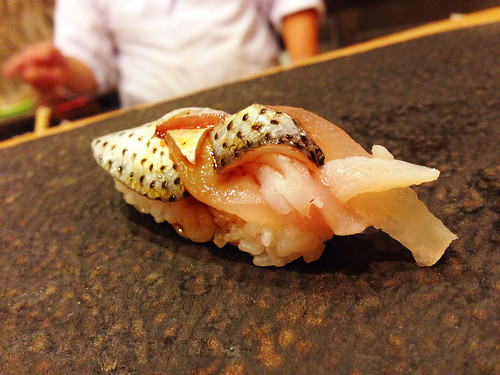
Zensai #1 – (clockwise from top): ebodai (snapper) w/ gelee made from same fish; anago (sea eel) w/ ume paste; baigai (conch); hotaru ika (firefly squid); housemade Mugifuji pork raw ham “prosciutto” w/ green beans, tofu & Roquefort cheese
Zensai #2 – (clockwise from top): marinated kelp; sawara (king mackerel); mejina (black sea bream) w/ uni soy; dungeness crab w/ seared kanimiso; hotate (scallop)
Ayu no Shio Yaki
Chutoro
Tai
Aji
Seared Smoked King Salmon w/ Whipped Cream Cheese
Asari
Kampachi
Mirugai
Kinmedai
Shimiji Clam Soup
Uni
Shimaaji
Seared Toro
Yari Ika & Uni w/ Squid Ink Soy
Anago
Congrats on being the “cover model” for Los Angeles Magazine’s sushi issue (no wonder they’re so busy)!
| Cuisine | City/Neighborhood | Price | Grade |
| Japanese | West LA | $$$$ | A |
Monta
5030 Spring Mountain Rd, Ste 6
Las Vegas, NV 89146
(702) 367-4600
http://www.montaramen.com/
With ramen currently on my mind, I’m reminded of my visit last summer to Las Vegas, when I dined at Monta, widely considered to have the best ramen in town. It’s a good bowl, with a cloudy white tonkotsu broth full of porkiness and salty flavor, thin curly noodles, two perfectly cut slices of chashu that had a very dark exterior (cut thin to the point where it felt like the slices were dissolving), a well-cooked soft-boiled egg, scallions, menma, and kikurage. If this is the best Vegas has to offer with regards to ramen, then good for the locals – they have themselves a solid choice, located next to the Japanese mecca that is Raku in Chinatown.
Put Monta in Los Angeles, however, where ramen is aplenty in both quantity of choices (both restaurants and varieties) and quality, and all of a sudden it’s like a poor man’s version of what you’d find at Santouka, right down to those curly noodles. And this is no knock on Monta, because they do put out a good product – it’s just that what they bring to the table does nothing to differentiate themselves in a crowded market in this town, neither in doing something different, nor doing what is familiar to elevate itself to the top of the class. The noodles are decent, but nothing to write home about. The chashu is solid, but too thin to appreciate. And that broth, porky but could’ve been more, salty but could’ve been more – kinda of what I mentioned in a previous post about being in a tonkotsu ramen limbo of sorts.
But in Sin City, this is the belle of the ball. And in a city where luxury and overindulgence is aplenty, a very affordable bowl of ramen off The Strip is a very welcome sight.
| Cuisine | City/Neighborhood | Price | Grade |
| Japanese | Las Vegas/Chinatown | $ | B |
Tsujita LA Annex
2050 Sawtelle Blvd
Los Angeles, CA 90025
(310) 231-0222
http://tsujita-la.com/annex.html
The opening of the Annex across the street from Tsujita, taking over Miyata Menji’s previous haunted space, is the biggest expansion opening so far in 2013 (Bludso’s Bar-&-Que is a close second, but by all accounts, it’s a somewhat incomplete version of the Texas-style BBQ you’d find in Compton, but at higher prices in a much sexier location). When news of this second Tsujita showed up, I (along with just about everyone else who’ve braved the long lunch waits at the original location) was thinking: FINALLY ramen and tsukemen available at dinner!!!
But hold on people…the ramen and tsukemen you’ve come to love at Tsujita will NOT be served at the Annex?!?
That was what I found out days before the Annex’s soft opening last Thursday, available to those who had “liked” Tsujita’s Facebook page and requested an invitation from here (I didn’t see them check invitations on either of my visits, but people had them ready just in case). To be honest, it was a bit of a letdown. Okay, more than just a bit – it was like seeing a really hot girl’s profile picture on some dating website, only to be disappointed by her less-than-perfect appearance in person on your first date. But by then I was so emotionally committed, there was no going back.
As the ramen-iacs probably know, the ramen at the original Tsujita was modeled after the Hakata-style ramen at the legendary Tanaka Shoten in Tokyo, right down to the bowl design. The Annex introduces two new types of ramen: the shoyu and the miso. The miso ramen has so far been deemed not ready for primetime, so the shoyu ramen has the spotlight all to itself – quite the daunting task considering how ramen slurpers can easily just run across the street at the first sight/taste of disappointment. However, the Annex was unfazed, and rightfully so…
…because the ramen at Annex has been modeled after an even more legendary ramen in Tokyo: Ramen Jiro. Want to know how epic Ramen Jiro is? It’s been named on countless lists of best places to eat in Japan, and received a perfect score from my online ramen professor (although it appears the bowl’s design takes after Bario Ramen, another ramen-ya that serves Jiro-style ramen). While I can’t say whether Annex’s version does justice to Jiro’s, I can say that Tsujita has another noodle winner on its hand.
First of all, this isn’t a true shoyu ramen. This bowl was FATTY, a frankenstein bowl of shoyu-tonkotsu broth pour high, with bits of pork fat polluting it despite the broth being strained by the chefs before being poured in. That backfat option you see on the menu? No need at all. This isn’t the weaksauce kotteri option you’d find at Daikokuya/Yamadaya – they’re giving you actual extra fat. But that broth – so rich and coarse upon sipping, yet so garlicky and smooth going down. It’s quite an experience.
They want you to load up on the fresh garlic and homemade onikasu (red chili powder), up to three scoops to be “awesome.” I’ve found that, while the chili powder isn’t exactly spicy and the fact that you can never have enough garlic, being “good” (one scoop each) is good enough. You want to taste that delicious broth as much as possible. As with the Jiro ramen, the bowl comes piled high with bean sprouts and shredded cabbage, with some cracked black pepper sprinkled on top. There’s the perfect soft-boiled egg and chashu, each as wonderful as the versions across the street.
But what about the noodles? Upon digging into the bowl, I was met by a surprising sight: (very) thick noodles, whose form was reminiscent of udon and lo mein, while retaining a balancing texture of al dente firmness and chewy bite (the latter like the noodles served with the tsukemen). It’s really an unfamiliar sight for me with ramen, and I had to confirm with the chefs and servers about whether this was correct or not on my first visit. But after getting over the slight shock, I realized that to stand up to such a powerful broth, a “strong” noodle was needed as vessel.
And one more thing: you might think that the plate under the bowl is used to carry the ramen because it overflows (and this is true). But the real reason is because the bowls are kept in a hot bath until right before serving, providing the optimal temperature to serve the ramen. All this, and you can see that Tsujita ain’t messing around. This isn’t a money grab expansion; this is Tsujita expanding (and perfecting) their repertoire. They went to the Hakeem Olajuwon big man camp in the offseason and came back with some new low post moves.
Less than a week in, and Tsujita Annex has already surpassed The Learning Annex as the most important “annex” of our time. Note: cash only.
| Cuisine | City/Neighborhood | Price | Grade |
| Japanese | West LA | $$ | N/A* |
*no grade first month of opening, but if things keep up be prepared for at least an A-